Most platforms struggle to keep up with how quickly digital expectations are changing. The businesses that stay ahead are the ones that can adapt quickly without having to rebuild everything every few years.
Composable architecture is a practical way to do that.
It lets you pick the right tools, connect them properly, and update parts of your setup without disrupting the whole thing. That means you can improve continuously instead of starting over.
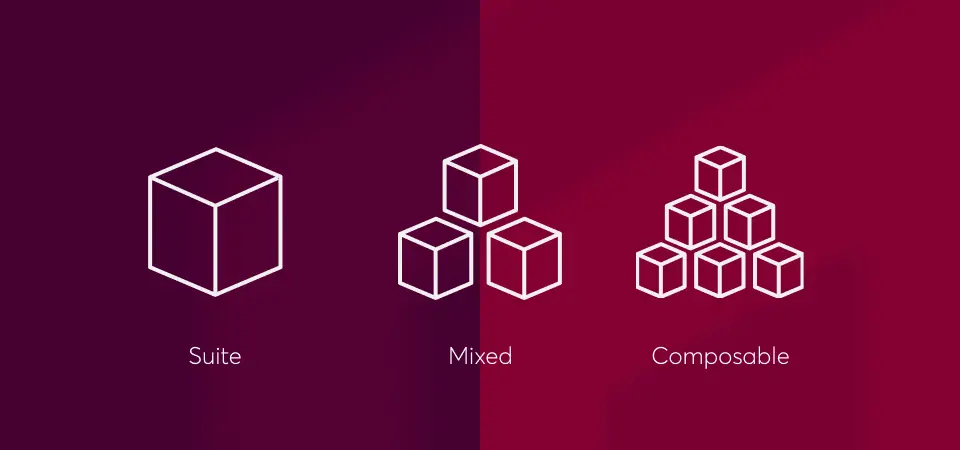
What you gain
Decoupling your architecture removes the dependencies that usually slow teams down. This gives you a faster, safer way to deliver change.
With this setup, you can:
- Test new ideas without risking core systems
- Release updates in smaller, more predictable steps
- Improve the client experience more frequently
- Add or swap technologies with minimal disruption
The result is continuous progress instead of large, high-risk replatforming projects.
How it works
This model breaks your platform into independent parts that work together without being tightly bound. MACH principles strengthen this approach:
- Microservices let you update components independently
- API-first ensures clean, reliable communication between systems
- Cloud-native SaaS gives you scalability, security and automatic updates
- Headless architecture lets you evolve front ends without touching the back end
Together, these elements create an infrastructure that stays flexible as your needs grow.
Why data matters
Flexibility only works when your data is consistent and trusted. Clear data ownership and defined sources of truth ensure that:
- Information flows cleanly across systems
- Decisions are based on accurate, reliable data
- Components can be updated without breaking integrations
This gives you a more stable foundation for ongoing change.
What good looks like
A strong composable, pace-layered, MACH-aligned setup follows a few core principles:
- Best-of-breed tools for critical capabilities
- Clear planning around which systems need stability and which need speed
- Loosely coupled components that reduce risk
- Strong data governance across the entire digital ecosystem
- Decoupling that supports controlled, independent updates
These principles ensure your architecture is designed for both performance and adaptability.
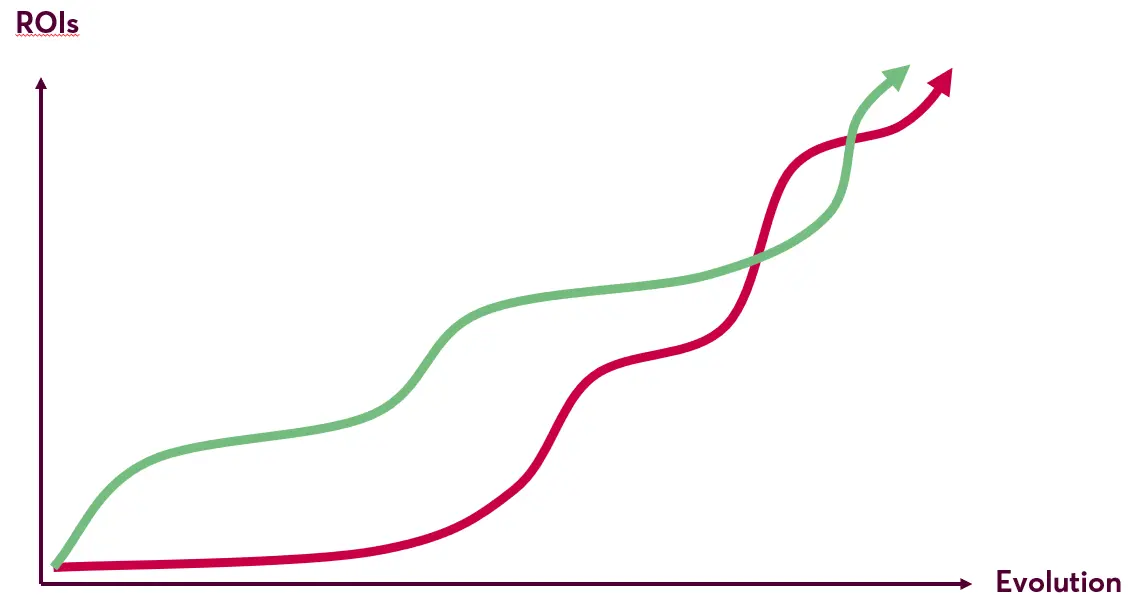
The outcome
You end up with a platform that stays stable where reliability is essential and flexible where innovation delivers value.
It supports continuous improvement, adapts as your organisation grows and keeps long-term risk low by avoiding major rebuilds.
In practice, that means faster delivery, better client experiences and a more future-ready digital foundation.
Want to learn more?
Curious how we can help you with the future of your website, let's talk.